Absolut Vodka’s shared dream for hydrogen-bottle success
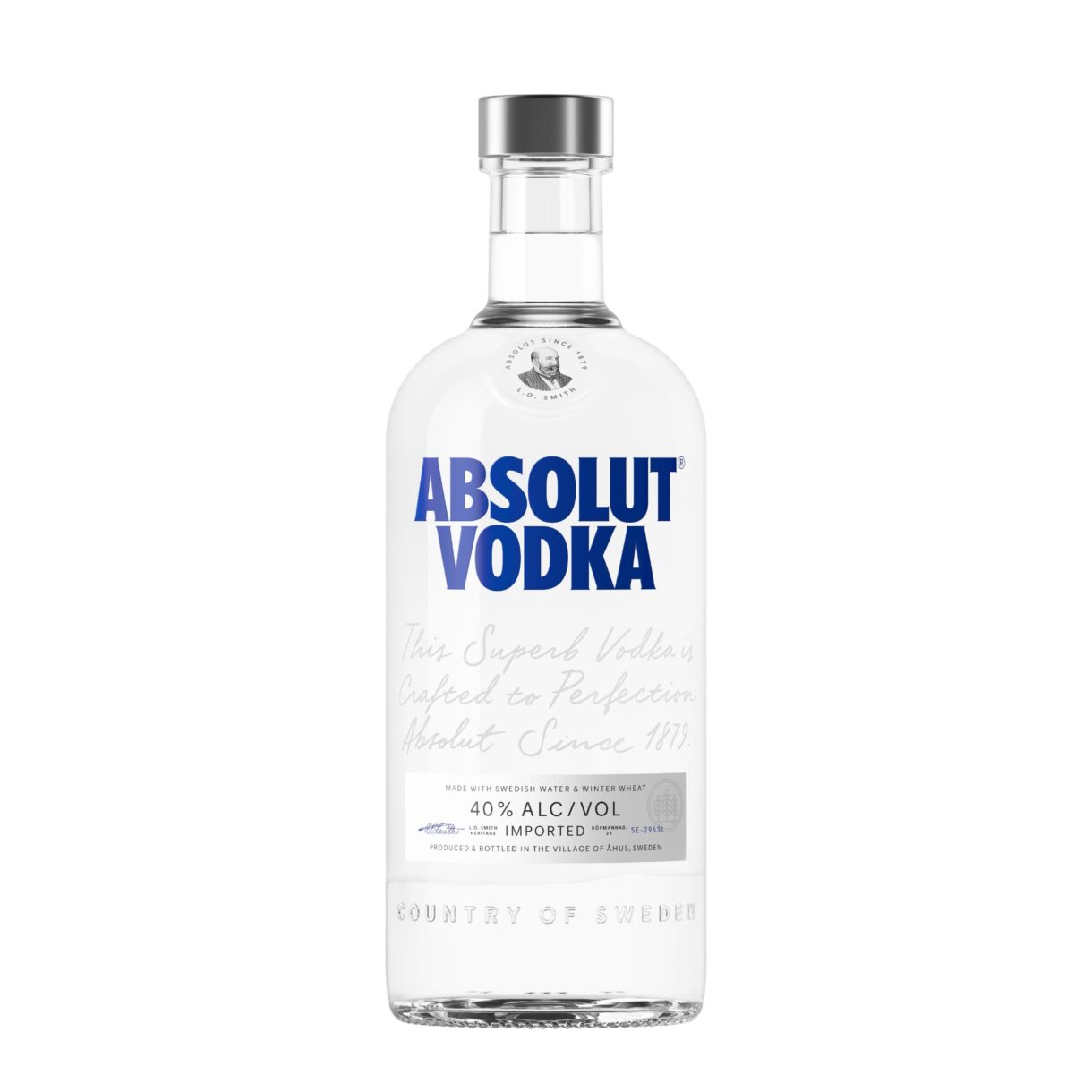
Almost half of Absolut Vodka’s carbon footprint comes from the production of its iconic apothecary-shaped bottle. However, a ground-breaking initiative in collaboration with Ardagh, its bottle manufacturer for more than 40 years, is set to change that.
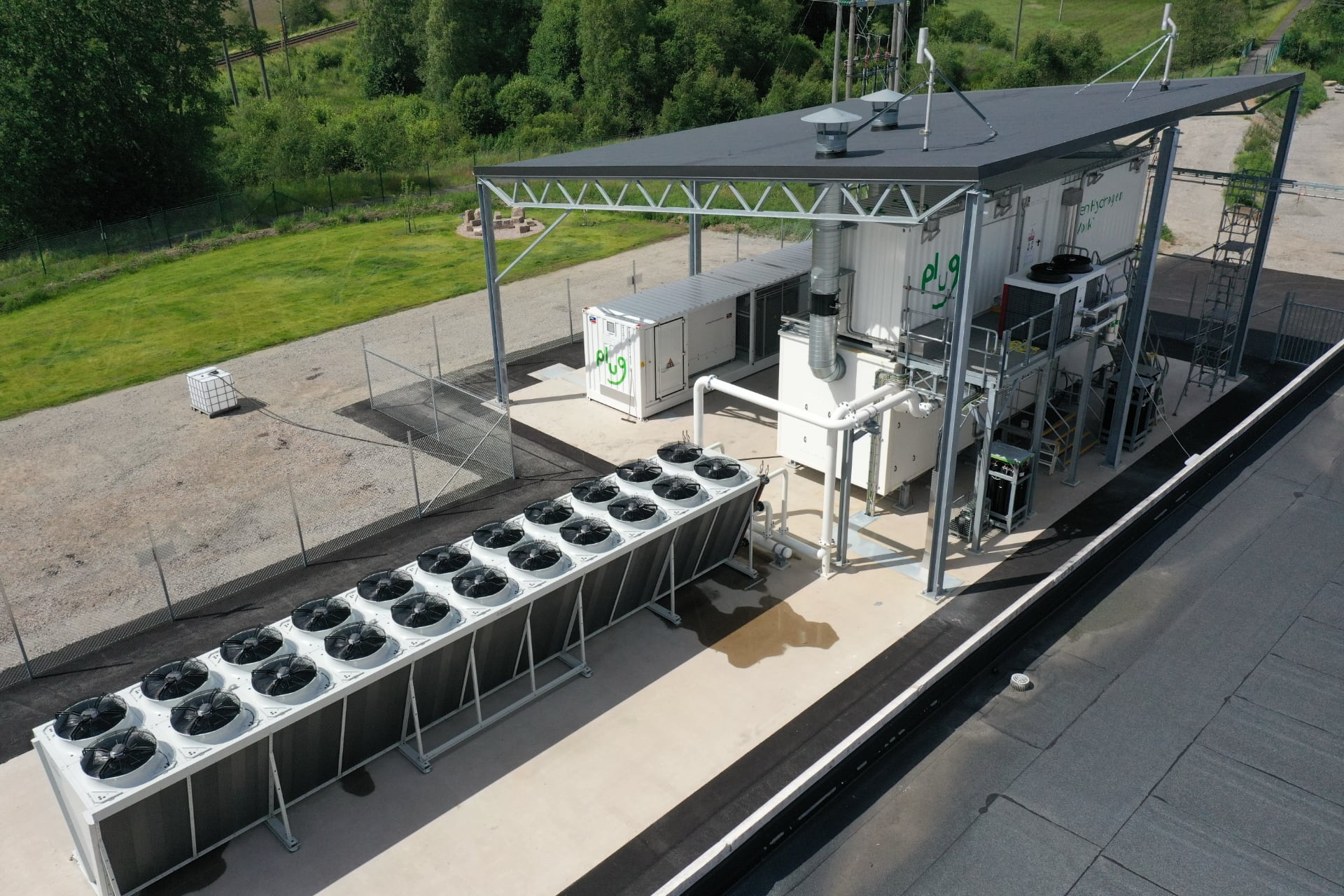
In 2025, Absolut’s glass bottle supplier, Ardagh Glass Packaging, began switching to a partly hydrogen-fired furnace to make Absolut’s iconic glass bottles – that’s more than 100 million bottles every year. Until then, Ardagh had used a combination of natural gas and electricity to power its furnaces, but it has started to use green hydrogen to replace some of the natural gas.
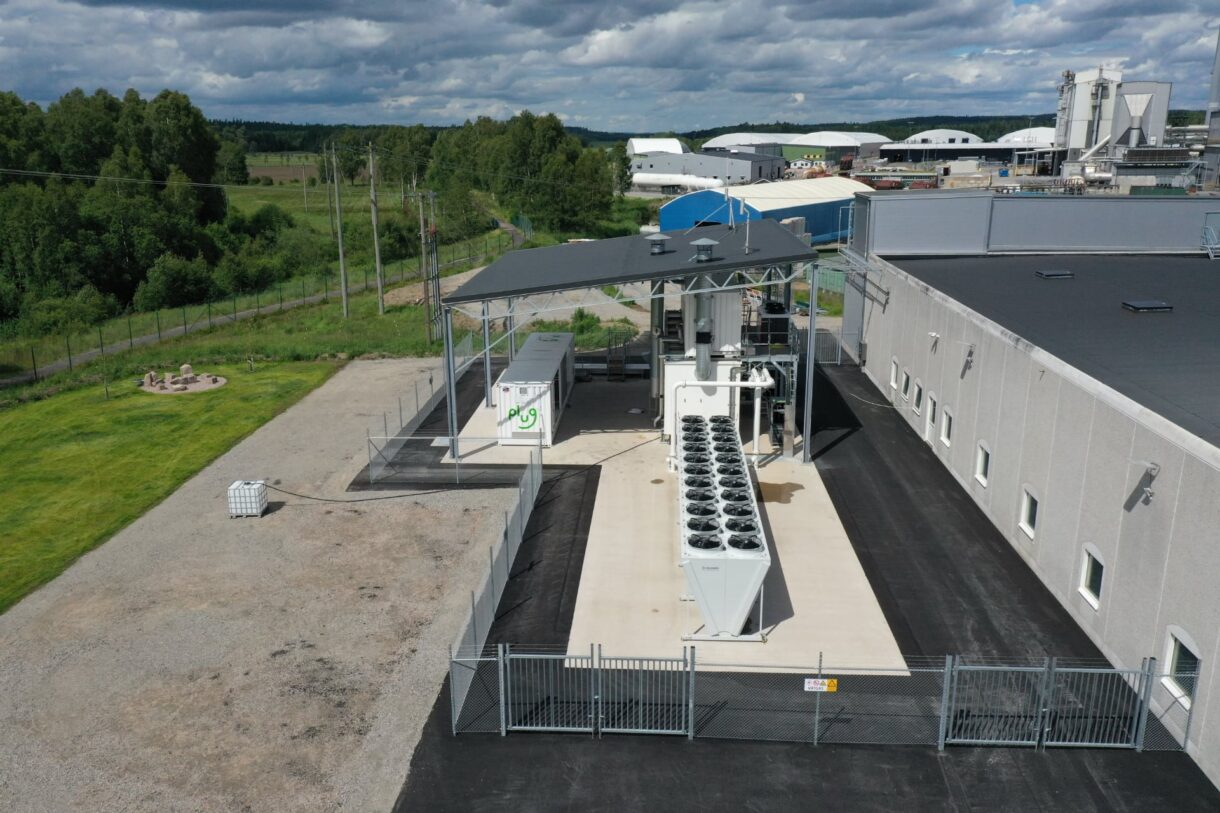
It is a pioneering initiative that has made significant progress. Using hydrogen as a source of power on such a scale is unproven. Ardagh has raised the bar even further by deciding to produce its green hydrogen onsite rather than sourcing and bringing in hydrogen from elsewhere. The newly built proton exchange membrane electrolyser splits water into hydrogen and oxygen using renewable electricity, supplying the hydrogen to replace a portion of the furnace’s natural gas.
Partnerships and collaborations between like-minded organisations such as Absolut and Ardagh are vital for finding the solutions we need to reduce global carbon emissions.
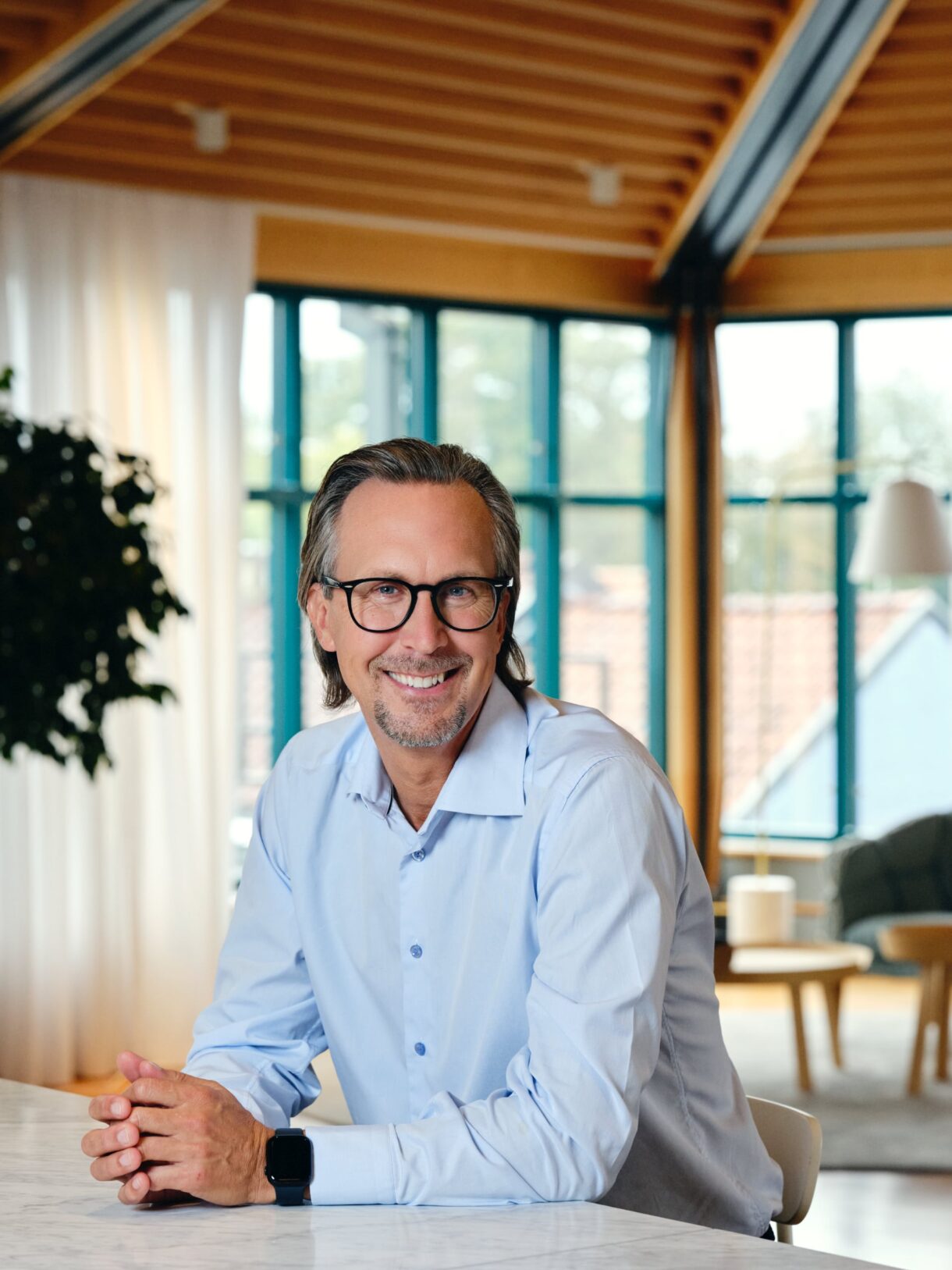
Johan Blixt, Procurement & Supply Chain Director
“We want to be at the forefront of environmental sustainability and change glass production,” says Peter Gunnarsson, Sales Director at Ardagh. “There has been a lot of R&D along the way. All the stakeholders involved are learning along the way, whether it’s manufacturers, suppliers or us. It was never going to be a question of plug it in, switch it on and away you go.”
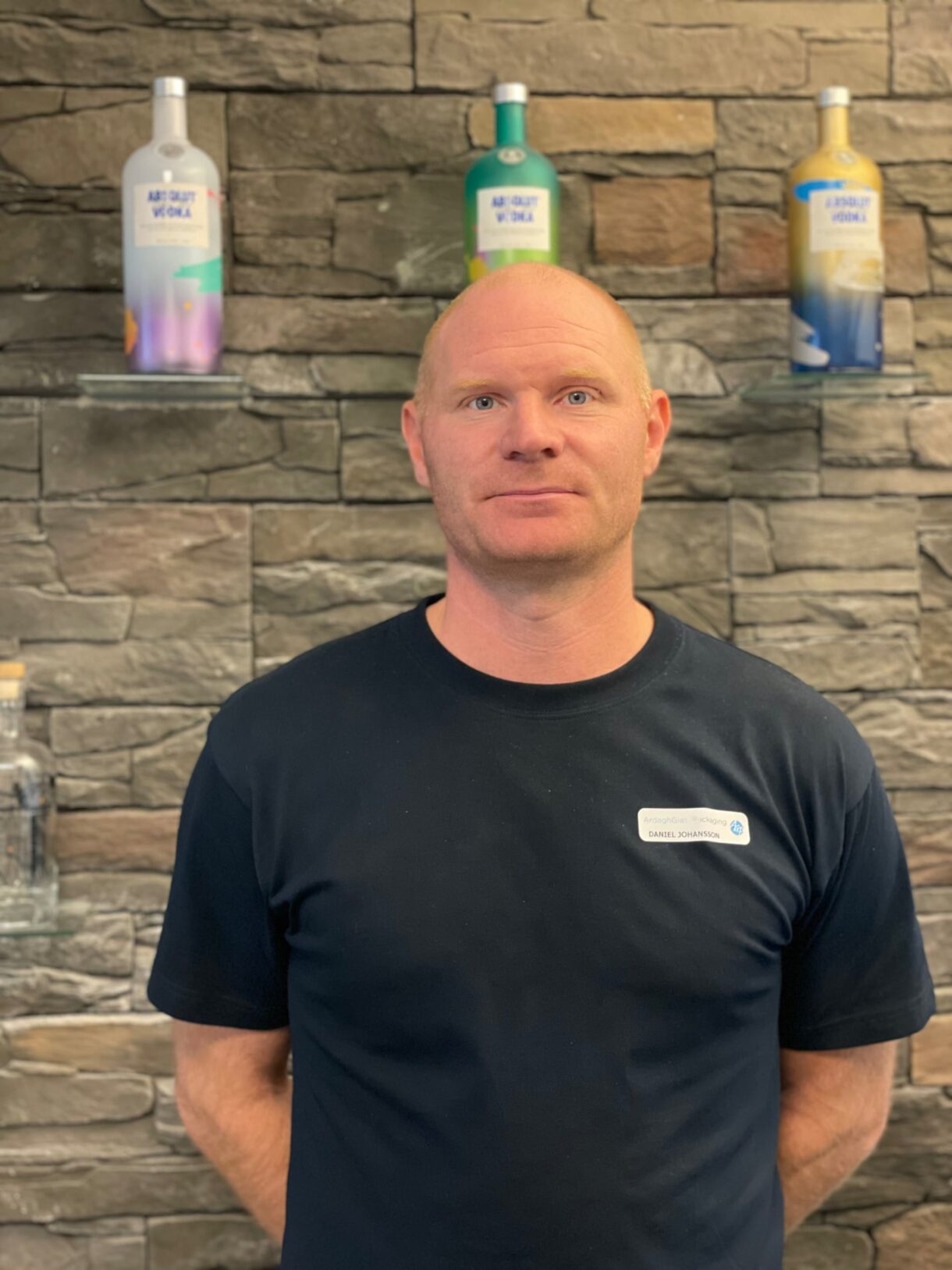
Despite the challenges that any unproven technology faces, the electrolyser has supplied hydrogen to the furnace for sustained monthly periods. At its peak, hydrogen has replaced up to 17 per cent of the natural gas normally used (the long-term target is a constant 20 per cent). Crucially, when hydrogen is being used, furnace temperatures have been maintained and the quality of the glass has remained. “Hydrogen behaves differently; the flame that you would normally see is much shorter and burns much faster. But NOx emissions have been manageable and there has been no impact on the quality of the glass or the furnace,” adds Daniel Johansson, Project Manager for Ardagh Glass Packaging.
Switching to full-scale glass bottle production using hydrogen as one energy source would be a notable milestone in the race to decarbonise glass packaging production. Not only will it reduce Absolut Vodka’s carbon footprint for every glass bottle made, but it will also reinforce Absolut’s goal for its premium-quality vodka to become a CO2-neutral product. It’s not just Ardagh and Absolut that get to benefit – entire industries will. It’s why many companies have been keeping a close eye on this frontrunning initiative by visiting Ardagh’s operations in Limmared, Sweden.
Daniel, who says the two containers that produce the hydrogen have become part of his family over the past two years, has no doubts the initiative will ultimately prove successful. “A downside of glass production is that it uses a lot of energy – and we as a team are putting a great deal of our energy into this to make it a success,” says Johansson. “It’s on companies such as Ardagh to prove that we can do it [manufacture glass] in a more environmentally friendly way. Using hydrogen is a no-brainer if it helps to reduce CO2 emissions.”
Using hydrogen is a no-brainer if it helps to reduce CO2 emissions.
Daniel Johansson, Project Manager for Ardagh Glass Packaging
But Johansson says that it will also require all stakeholders and the wider industry to work together to share their knowledge and understanding of how best to use hydrogen for energy. It’s a sentiment echoed by Absolut. “Partnerships and collaborations between like-minded organisations such as Absolut and Ardagh are vital for finding the solutions we need to reduce global carbon emissions,” adds Johan Blixt, Procurement & Supply Chain Director, Absolut.