Kahlúa embarks on the second phase of its Coffee for Good project
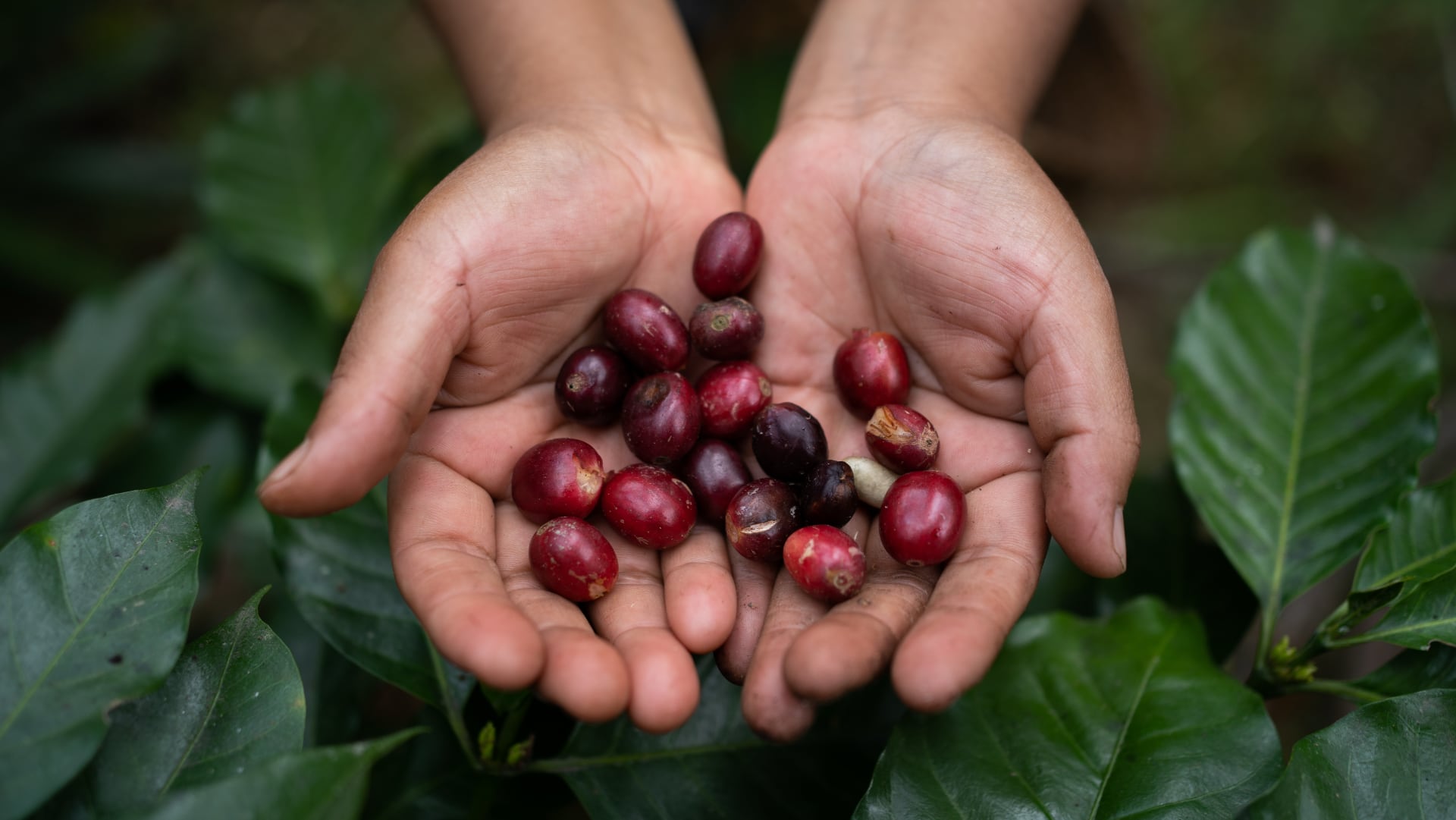
Kahlúa has set out a multi-decade vision for its Coffee for Good project, which aims to tackle the risks coffee farms face – from climate change to accessing suitable funding – to help cultivate a long-term future for coffee farmers in the Veracruz region of Mexico.

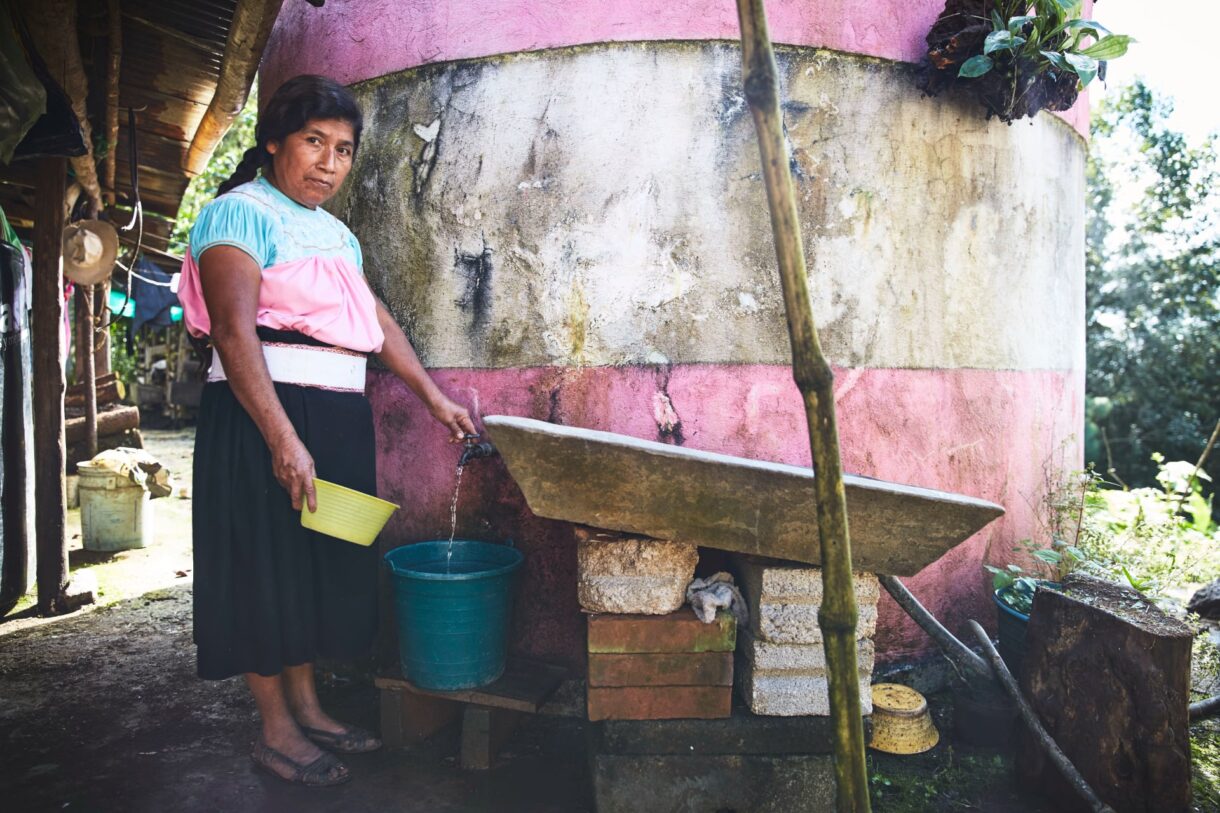
Since 2016, Kahlúa has been working with local NGO Fondo Para La Paz in local communities in the mountains of Veracruz, Mexico. Together, through the Coffee for Good project, they have been investing in better living and working conditions for coffee farmers, establishing good agricultural practices and protecting the region’s biodiversity. It has also improved living conditions, providing access to fresh water and sanitation to villages in the Veracruz region.
The project reached a significant milestone in 2022, during that year – four years ahead of schedule – all the coffee needed to produce Kahlúa was sourced solely through farmers participating in Coffee for Good. The project’s scope has expanded along the way – another four villages have since been added to the original four, and in 2025, the project will enter a second phase.
“As I am from the Philippines, I’m no stranger to poverty,” says Major Masa, who joined Kahlúa in 2022 as Global Marketing Manager, leading Strategy & Planning. “And this programme has been making a difference for a long time. It has improved living conditions for farmers because Kahlúa continues to source much of its coffee beans from communities participating in the Coffee for Good project. The first phase has gone well but we got to a point where we needed to have a vision of how the project will look in 10- or 20-years’ time.”
With this in mind, the Kahlúa team mapped out a strategy for the Coffee for Good project that will help farmers and future generations build a sustainable future for the long term. It’s a truly long-term mission to cultivate a better future for Veracruz coffee farmers that extends beyond simply supplying Kahlúa with coffee beans. “We hope it becomes a blueprint for all villages, and the industry at large, in the region because the future for coffee farming in Veracruz is at risk unless action is taken,” says Major.
The majority of farmers don’t have legal documents confirming they own the land.
Major Masa
The Coffee for Good project is focused on three pillars – social, economic and environmental sustainability – to help smallholder farmers overcome many of the challenges they face. By providing access to fresh water and sanitation, families today have better living conditions; providing extensive planting of seedlings and farmer training has increased yields; and providing farmers with nutritional packages and fertilisers has ensured that they are farming more sustainably.
Going forward, the Coffee for Good strategy will encompass five overarching themes, with each addressing specific risks. They are land ownership, loans and debts, climate change, city migration and a quality mark.
“We noticed that the majority of farmers don’t have legal documents confirming they own the land,” says Major. “While the farmers we work with are indigenous and have deep ancestral ties to their land, formal land rights remain a complex issue in the region. Many of these small-scale farmers face ongoing financial challenges, often relying on high-interest loans to cover the cost of extra labour during harvest season. Although we pay a premium on top of the fair price for their coffee and source 100 per cent of the beans used in Kahlúa from this community, we represent only about half of their total yield – the rest is sold to other buyers. This means that while the Coffee for Good programme has made meaningful progress over the past decade, especially in areas like infrastructure, education and training, broader financial pressures remain a reality for many of these farmers.”
There has always been and always will be the existential threat for coffee farmers in Veracruz of climate change and atypical changes in seasonal weather – harvests have moved by several weeks in the years since the project. Forest fires are a key risk and the unpredictability of rainfall is a hindrance – it either rains too much or not enough, says Major. “We need to find natural ways to irrigate when there are drought conditions and channel excess water from plants in times of extreme rainfall,” he adds.
It either rains too much or not enough – we need to find natural ways to irrigate coffee farms.
Major Masa
And then there is the lure of work in the cities, with younger generations believing that they will earn more money by leaving the family farm. “A lot of young people migrate to urban or rural cities but many end up in jobs that are not any more lucrative than coffee farming,” says Major. “More often than not, they would have been financially better off staying with the family farming business – and we need to educate them as such.”
The fifth theme is capitalising on the quality of Mexico’s coffee. “People have no idea about how good Mexican coffee is,” says Major. “There is no doubt about the high quality of coffee coming from Mexico but there is an opportunity to raise this perception globally.”
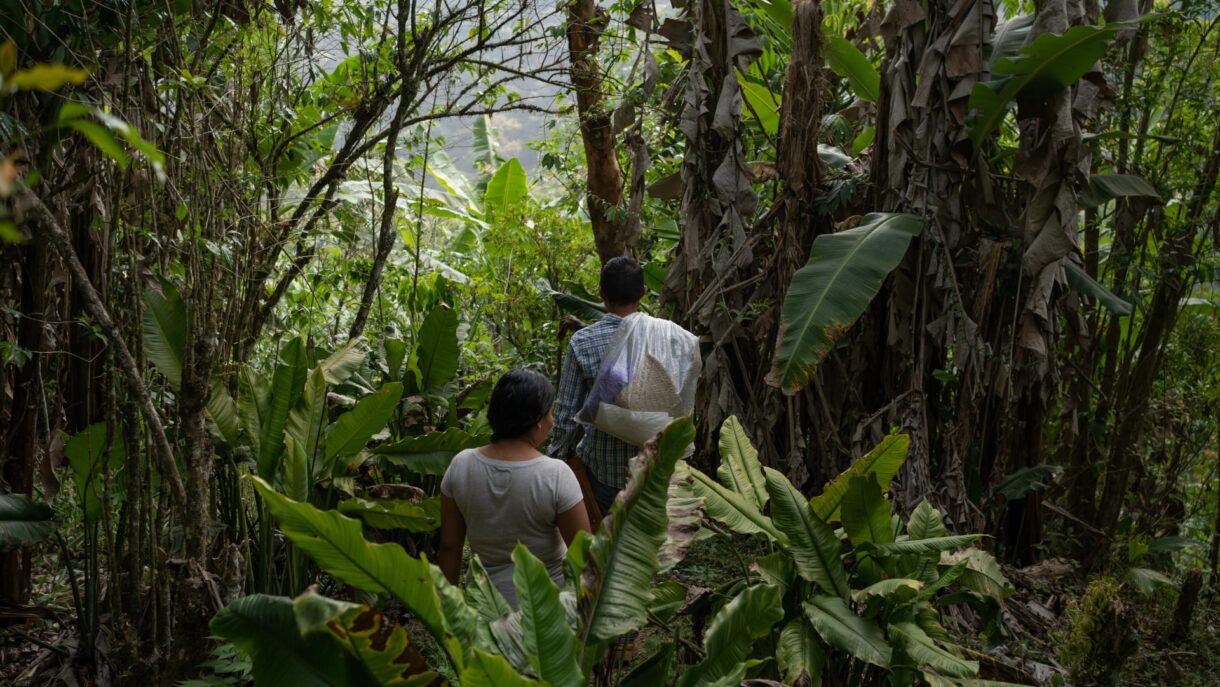
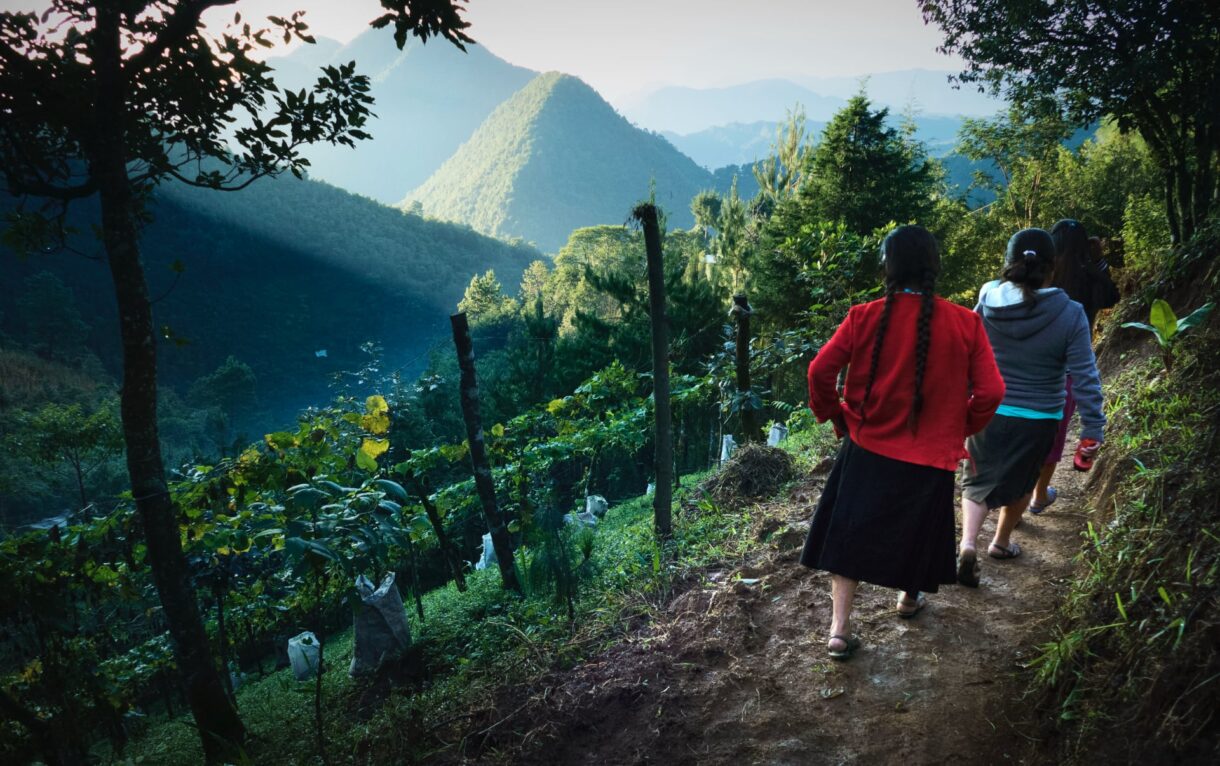

Coffee for Good – Phase 2
The updated vision for the Coffee for Good strategy will span two decades, split into two phases. With phase 1 completed, phase 2 will run from 2025-2035 before a third phase from 2035 to 2045. The second phase, which starts in 2025, aims to empower coffee farmers to break the cycle of poverty in communities by focusing on four specific areas over the next decade:
- access to affordable credit
- avoiding water stress on coffee farms
- securing land ownership
- earning above the poverty line
As it stands, only 14 per cent of farmers in the region earn above the poverty line, only 13 per cent of farmers have legal rights to the land they farm and not a single farm has an irrigation system. Working closely with Fondo Para La Paz, the goal is for every farmer from the project’s communities to earn at least the agricultural minimum wage. Fondo Para La Paz will begin sourcing local legal firms that can help farmers attain legal documentation to certify rights to their land, while the first water irrigation systems will start to be installed. The scoping of a microfinance cooperative to be an alternative to bank loans will begin and farmers will be offered financial education classes so they understand how a new microfinance framework would work.
Major says: “Farmers do not have any access to financial support from cooperatives right now – they borrow from institutional banks. By the third year of phase 2, we want 100 per cent of the participating farmers to have been trained on the cooperative credit framework, and by year five, we want to make sure that 100 per cent have financial support.”
While phase 2 gets underway (phase 3 will focus on migration and quality) work that began since its inception continues. For example, health and well-being remain a core focus of the project. “Now the villages have access to water, we are looking at filtration systems to clean the water they consume so it doesn’t need to be boiled first,” says Major. “Over the next four years, we hope that all our communities will have access to basic medical assistance and support and by 2033, they will have access to digital services. We are also looking to increase the number of women who have access to higher education.”