Malibu extends its coconut commitment by three years
Malibu’s five-year commitment made in 2020 to support the coconut farmers behind its key ingredient has been extended for a further three years.

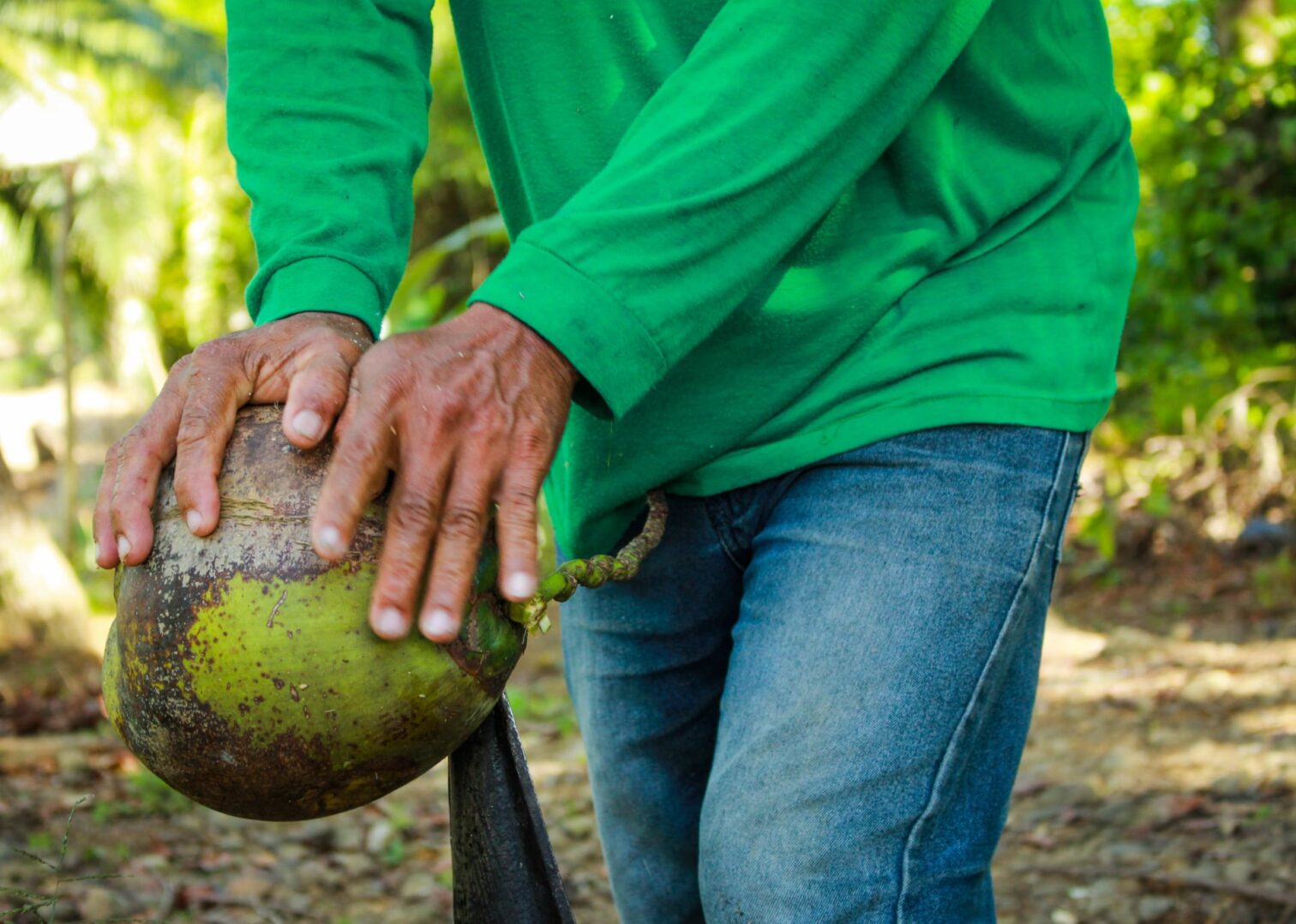
Malibu just wouldn’t be Malibu without its distinctive coconut flavour. Subsequently, it relies on the local farming communities in the Philippines that supply the coconuts for its iconic flavour. And so, in 2020, Malibu partnered with the SDGCoco Project as a way of giving back to these communities. This five-year Coconut Commitment gave Malibu an opportunity to help protect coconut plantations and improve the livelihoods of the farmers and families behind its key ingredient.
Alongside partners, coconut processor, Franklin Baker, flavour producer, Symrise and Deutsche Gesellschaft für Internationale Zusammenarbeit (GIZ), Malibu set out to support around 500 farmers to increase their income and annual yields to improve their living standards, introduce safer working practices, provide training and education and empower them to introduce new crops so they could start to diversify their revenue streams.
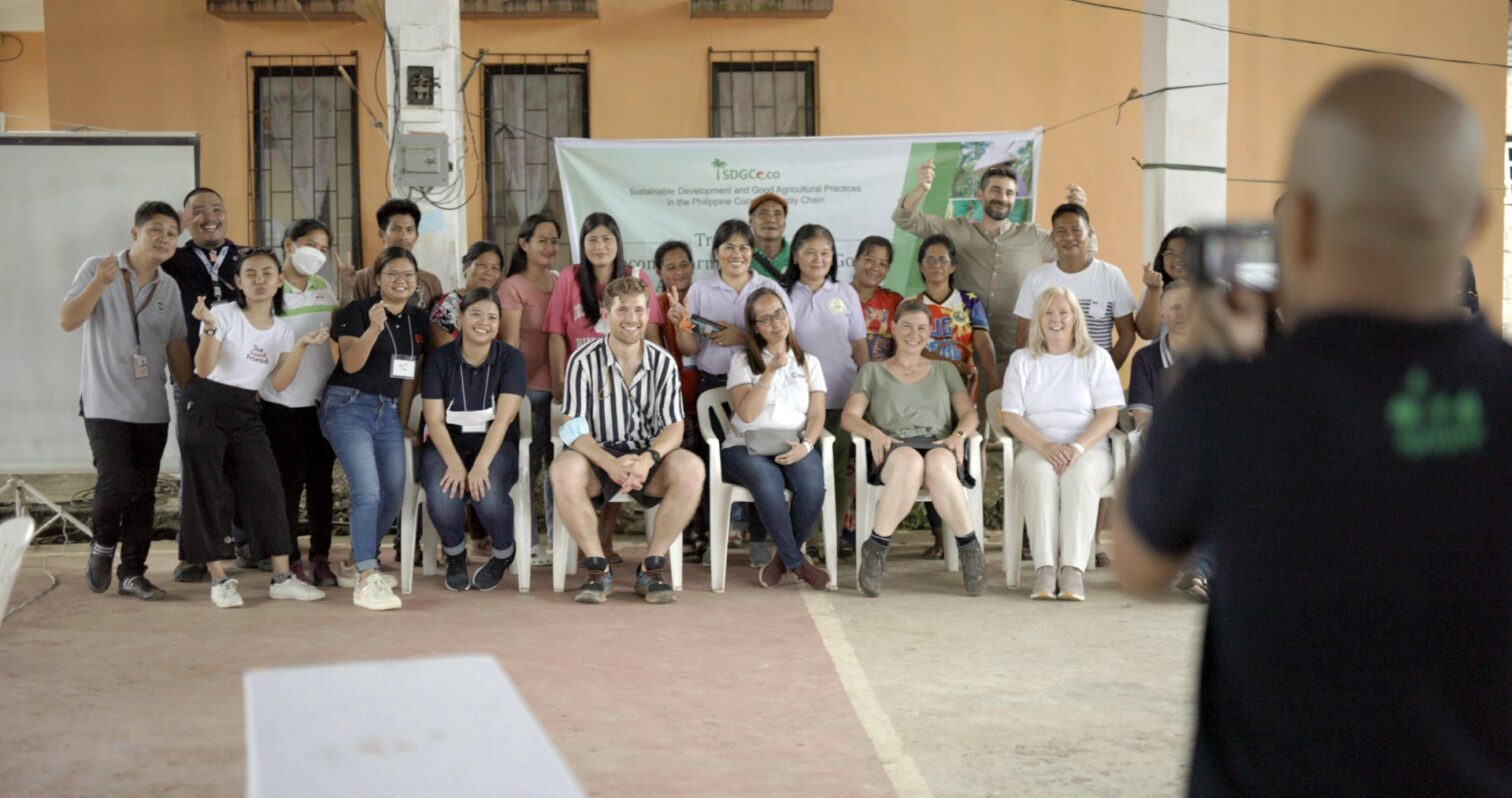
One of the key strengths of the programme was that the founding partners represented the full value chain. Indeed, the project exceeded Malibu’s expectations despite the challenges of the pandemic in the early years – the Philippines implemented some of the strictest and longest lockdowns. Working closely with farming communities it supported their development, and today, coconut yields are higher. It also helped to build so-called ‘demo farms’ where farmers get hands-on, practical training on how to make the best use of their land – and crops besides coconuts are being grown.
We have supported farming communities and today, coconut yields are higher.
Pia Hägglöf, Marketing Manager Portfolio & Innovation, Malibu
A new three-year commitment
With the original commitment ending at the end of 2024, Malibu has now entered into a three-year agreement to continue supporting coconut farmers, which will be structured around three components.
- regenerative agriculture gap analysis, plus carbon footprint assessment
- business skills enhancement of farmer groups and
- occupational health and safety standards improvement and community empowerment
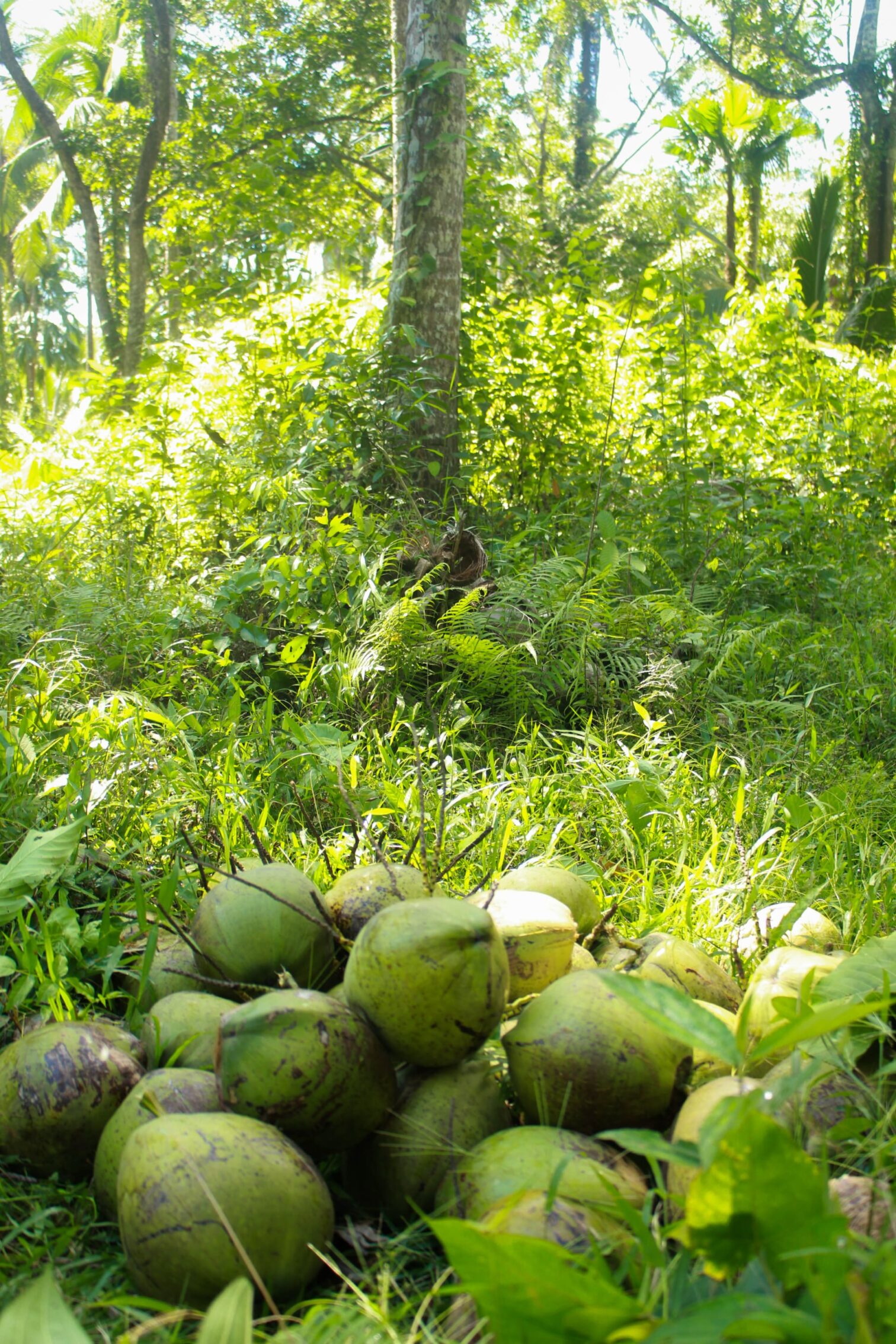
“We want to continue to build on the successes of phase one. For example, improving regenerative agriculture practices to increase yields and lower production costs,” says Pia Hägglöf, Marketing Manager Portfolio & Innovation at Malibu. “Meanwhile, a carbon footprint assessment will help us understand what impact coconut farming has on the environment and how we can reduce emissions or capture carbon.”
The commitment will also focus on improving occupational and health safety standards with appropriate risk assessments. For example, heat stress analysis will be conducted on the farmers to understand the levels of temperatures they are exposed to. “There are potential health risks to working in the hot weather,” says Pia. “We want to safeguard our farmers, and the heat assessment will help us ensure we have the right measures in place.”
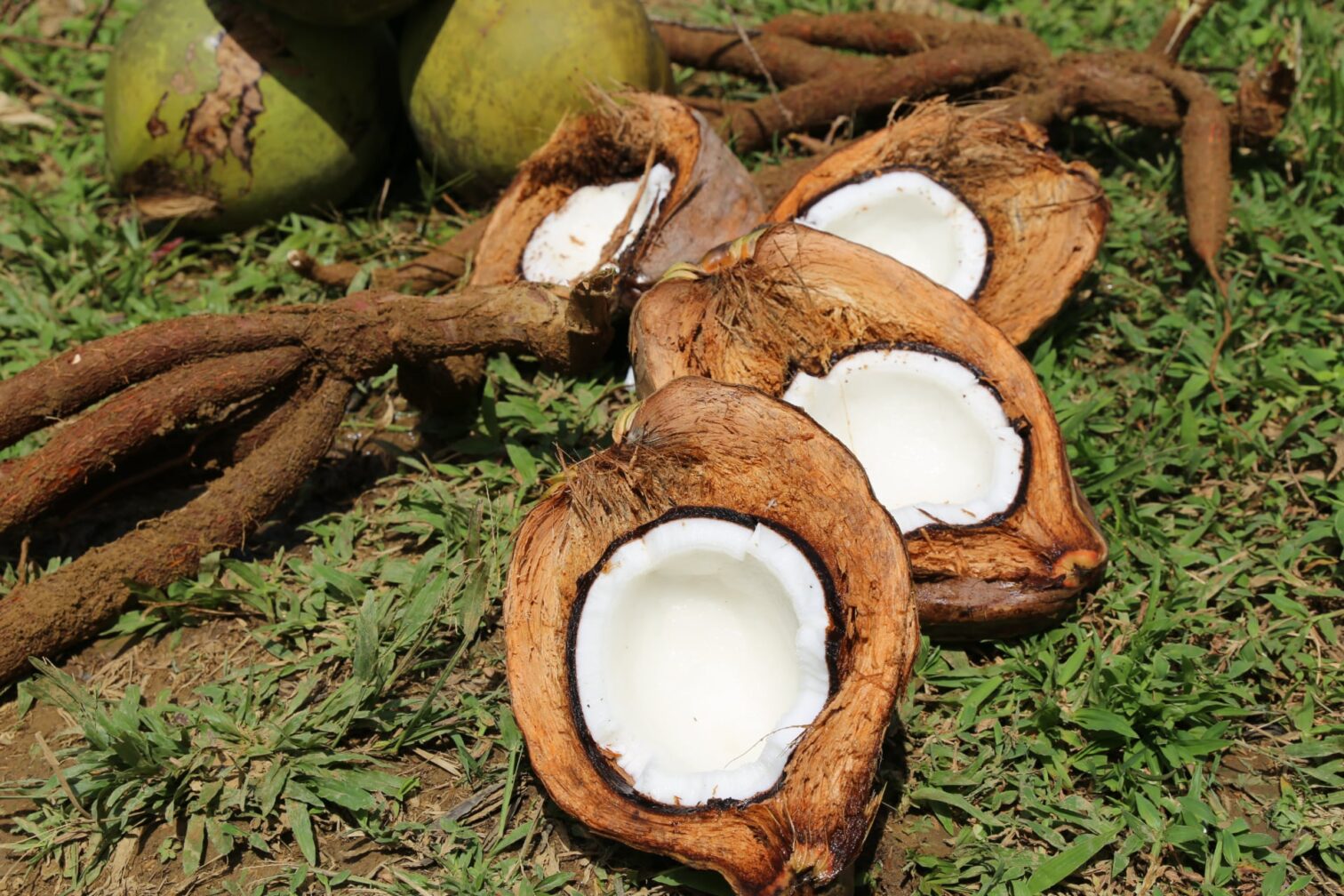
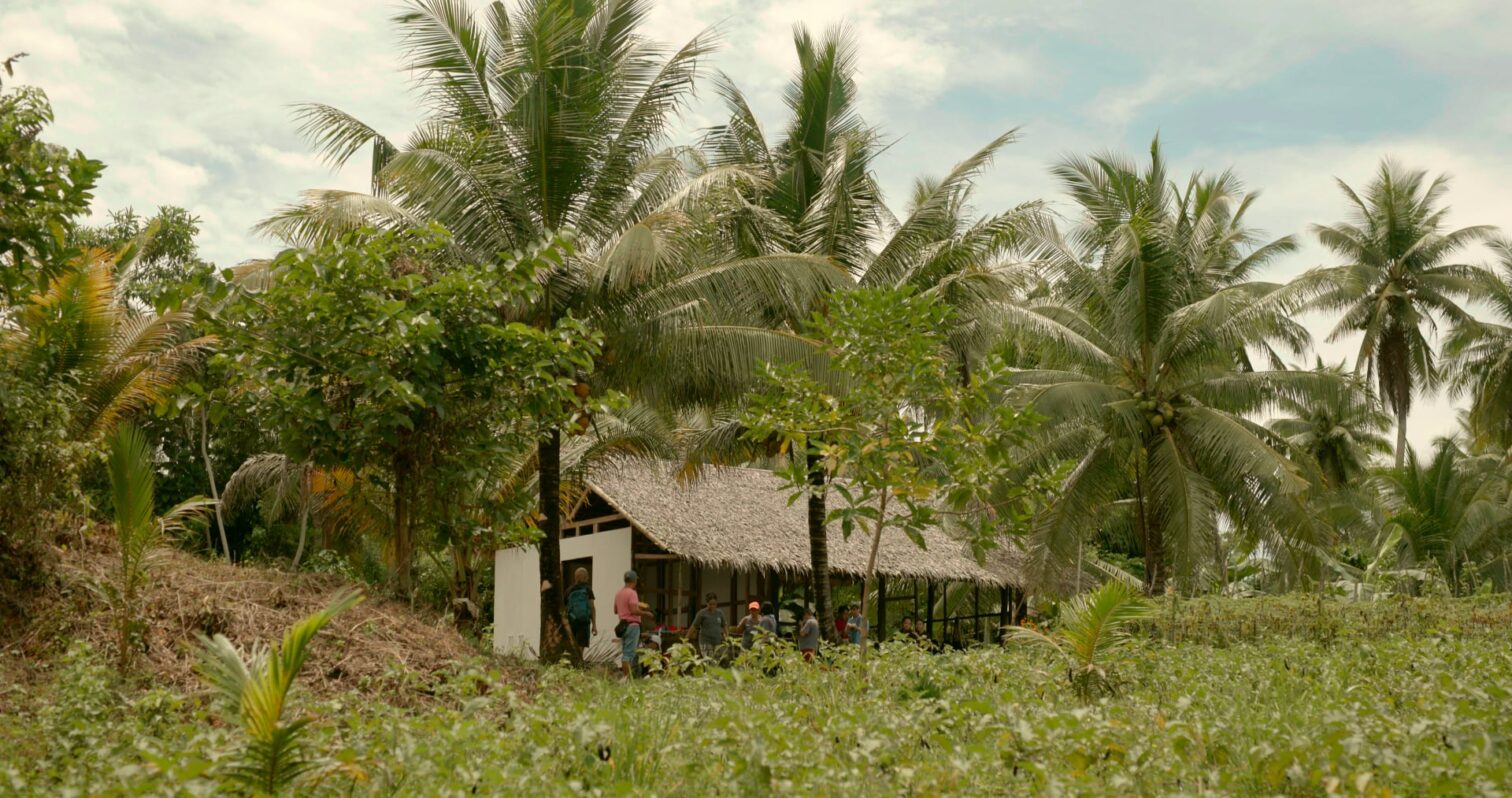
A focus of the initial commitment was to reduce local dependency on coconut sales. Subsequently, three ‘demo farms’ were built to provide working examples of alternative ‘cash crops’. These included bell peppers, aubergines and broad beans that harvest more quickly and can help farmers diversify their income stream by selling to other markets.
“Farmers have only ever farmed coconuts; they don’t see their land as somewhere to plant other crops. By learning how to farm organically and plant vegetables, farmers can provide food for their families or ‘cash crops’ to sell,” says Pia. “This will be part of our general education and training, which we will continue to provide farmers. We want farmers to enhance their business skills to maximise profitability.”
By learning how to plant vegetables too, farmers can grow ‘cash crops’ to sell.
Pia Hägglöf, Marketing Manager Portfolio & Innovation, Malibu
The coconut industry in the Philippines continues to face significant challenges; much more is still to be done but every commitment adds up. Projects such as SDGCoco are paving the way for future initiatives – ones that can make a long-term economic, social and environmental impact.
“We were proud to be involved in the first programme, and we are looking forward to developing a programme for the second commitment – strengthening regenerative agriculture and health and safety, and conducting a carbon footprint assessment,” adds Pia.